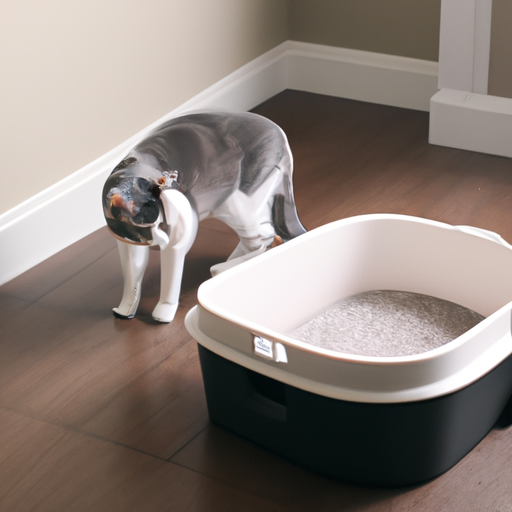
When a cat starts peeing outside the litter box, many owners assume the cat is being stubborn or acting out. In reality, litter box problems are often the first visible sign that something is wrong. The cause may be medical, environmental, behavioral, or a mix of all three.

Cornell’s Feline Health Center notes that house soiling is one of the most common behavior problems reported by cat owners, but the solution depends on the reason behind it. That distinction matters, because the right fix for a dirty litter box is very different from the right fix for bladder pain.
Upgrade Your Pet-Home Setup (High-Value Picks)
If you want stronger long-term results than consumables alone, these equipment guides usually deliver bigger day-to-day impact.
| Best Automatic Cat Feeder | Improve feeding consistency and reduce missed meals |
| Best Air Purifier for Pets | Reduce dander and lingering pet-home odor in shared rooms |
| Best Vacuum for Pet Hair | Handle daily shedding and keep carpets/sofas cleaner |
Quick start: pick one system upgrade based on your biggest pain point, then optimize consumables around it.
Best Automatic Cat FeederBest Air Purifier for PetsBest Vacuum for Pet Hair
Quick Product Paths
| If odor is your main litter-box complaint | Best cat litter for smell control |
| If accidents have left odor in carpet or fabric | Best enzyme cleaner for cat urine |
| If litter-box behavior changed suddenly | Start with a veterinary check rather than a shopping cart. |
Quick answer
The most common reasons cats pee outside the litter box are urinary discomfort, kidney disease or diabetes leading to larger urine volume, litter box aversion, stress-related spraying, and mobility problems that make the box hard to use. If your cat is straining, crying in the box, or producing little to no urine, treat it as urgent.
First, separate urination from spraying
This is one of the fastest ways to narrow the problem:
- Urinating: your cat usually squats and empties more urine onto a horizontal surface such as carpet, bedding, or the floor.
- Spraying: your cat usually stands, lifts the tail, and deposits a small amount of urine on a vertical surface such as a wall, chair, or doorway.
Spraying is often tied to territory, stress, or intact status. Full urination outside the box more often suggests pain, urgency, aversion, or access issues.
Medical causes you should rule out first
1. Bladder inflammation and feline lower urinary tract disease
Inflammation of the lower urinary tract can make urination painful and urgent. Cats may start associating the litter box with discomfort and avoid it. Frequent trips, straining, blood in the urine, and vocalizing are common red flags.
2. Urinary tract infection or bladder stones
UTIs are not the most common cause in all cats, but they do happen, especially when another condition is present. Stones and crystals can also irritate the bladder and create urgency. Either problem can lead to repeated accidents outside the box.
3. Kidney disease or diabetes
These conditions can increase thirst and urine output. When the volume goes up, a cat may not get to the box in time, may fill the box too fast, or may start seeking easier locations.
4. Arthritis or mobility pain
Senior cats and cats with painful limbs may avoid a box with high sides or a difficult location. If stepping in, turning around, or squatting hurts, the floor next to the box may feel like the easier option.
5. Cognitive change in older cats
Some senior cats become less consistent with routines or have trouble finding or reaching the box in time. In older pets, litter box trouble should always be interpreted in the context of the whole cat, not just the bathroom habit.
Warning signs that need prompt veterinary care
- Repeated trips to the litter box with little or no urine
- Straining, crying, or obvious pain
- Blood in the urine
- Vomiting, lethargy, or hiding together with urinary signs
- A male cat who seems unable to pass urine
A urinary blockage can become life-threatening quickly, especially in male cats.
Litter box aversion is more common than many owners realize
Sometimes the issue is not your cat’s body. It is the box itself. Cats may reject the box because it is dirty, too small, too covered, too scented, in a noisy location, or hard to reach. Some cats also develop an aversion after a painful urination episode and then keep avoiding the same box even after the original trigger improves.
Common setup problems include:
- Covered boxes that trap odor
- Scented litter
- High-sided boxes for kittens or senior cats
- Boxes placed near food, laundry machines, or heavy foot traffic
- Too few boxes in multi-cat homes
How to reset the litter box setup
- Use unscented, fine-textured litter.
- Offer large, uncovered boxes unless you know your cat prefers otherwise.
- Use low-entry boxes for kittens, seniors, and cats with arthritis.
- Keep one box per cat, plus one extra.
- Scoop at least daily and keep the box dry and clean.
- Place boxes in quiet, easy-to-access areas with more than one exit route if another pet may ambush the cat.
Stress can trigger spraying and accidents
New pets, a new baby, remodeling, moving, outside cats near windows, household conflict between cats, or even an abrupt litter change can all contribute. Stress does not mean the problem is “just behavioral.” In some cats, stress and urinary inflammation feed each other.
How to clean the area so the problem does not repeat
Cats often return to places that still smell like urine. Clean accidents quickly with an enzyme-based pet cleaner designed to neutralize odor. Avoid ammonia-based cleaners because they can smell urine-like to cats and make repeat soiling more likely.
What to look for if you want monetizable product angles
This topic converts well because owners are actively trying to solve a frustrating problem. Product types that fit naturally include:
- Large uncovered litter boxes
- Low-entry litter boxes for senior cats
- Unscented clumping litter
- Enzyme urine cleaners
- Litter mats and scoops
- Water fountains to support hydration in cats with urinary concerns
For revenue, this article can later support comparison tables and internal links to product roundups without feeling forced.
A simple troubleshooting order
- Rule out medical problems with your veterinarian.
- Differentiate spraying from full urination.
- Improve box size, location, litter type, and cleanliness.
- Add more boxes if you have multiple cats.
- Reduce stressors and clean all accident spots thoroughly.
FAQ
Why is my cat peeing on the bed?
Soft surfaces can become preferred sites if a cat is avoiding the box, feels stressed, or had a painful urination episode and now associates the litter box with discomfort.
Do cats prefer covered or uncovered litter boxes?
Many cats prefer uncovered boxes because odor escapes and they can see their surroundings. Covered boxes work for some cats, but they are not a universal upgrade.
How many litter boxes do I need for two cats?
The common recommendation is three: one for each cat, plus one extra.
Bottom line
If your cat is peeing outside the litter box, assume there is a reason, not an attitude problem. Start with the possibility of pain or urinary disease, then fix the litter box setup and stress load at home. The earlier you act, the easier this problem usually is to reverse.
Related buying guides
Buy the right thing in the right order
Product fixes can help, but buying in the wrong order wastes money. If the issue is medical, a new litter or cleaner will not solve the cause. If the issue is environmental or odor-related, the right litter and cleaner can help a lot.
Frequently asked questions
Can the wrong litter cause cats to avoid the box?
Yes. Texture, scent, dust level, and box cleanliness can all affect litter box acceptance, especially in sensitive cats.
Should I switch litter if the box smells bad?
If odor is the main issue, a different litter can help, but it should be paired with better scooping frequency and full-box maintenance.
Will enzyme cleaner stop repeat accidents?
It can help by removing odor residue that draws cats back to the same spot, but it works best after the underlying trigger is addressed.
