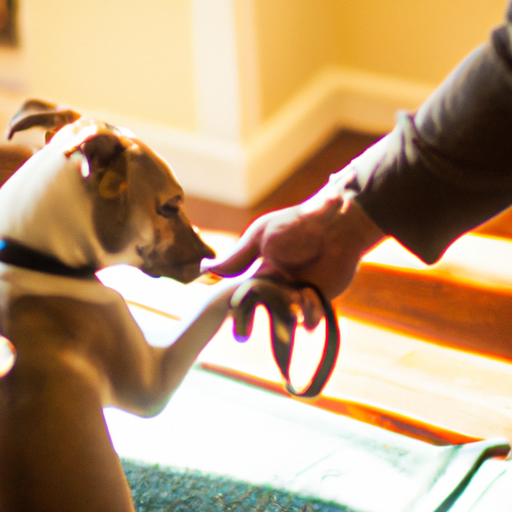
House training feels overwhelming in the first few weeks, but most puppies learn faster when the routine is simple, boring, and consistent. The goal is not perfection in two days. The goal is building a pattern your puppy can predict.

Start with a clear daily rhythm
Take your puppy out after waking up, after meals, after play, after naps, and right before bed. Young puppies usually need many more bathroom breaks than new owners expect. If you wait until the puppy is actively circling or whining, you are already late.
Use one potty spot and one short cue
Bring your puppy to the same outdoor spot each time. Use one short cue such as “go potty,” then wait quietly. When your puppy finishes, reward immediately with praise, a small treat, or both. This tight reward timing helps your puppy understand exactly what earned the reward.
Supervision matters more than punishment
Accidents usually mean the routine was too loose, not that the puppy is stubborn. Keep your puppy within sight, use a leash indoors when needed, or use a small puppy-safe area when you cannot supervise closely.
If an accident happens, interrupt gently only if you catch it in the moment and take your puppy outside. Do not punish after the fact. Puppies do not connect delayed scolding with the accident you found on the rug.
Crate training helps when used correctly
A crate can support house training because most puppies avoid soiling their sleeping area. The crate should be large enough to stand up and turn around, but not so large that one end becomes a toilet corner. Pair the crate with frequent potty breaks, not long periods of confinement.
Expect setbacks during growth spurts
Teething, schedule changes, exciting visitors, and over-tired evenings can all cause temporary regression. When that happens, return to a tighter routine for a few days instead of assuming the whole process has failed.
When to talk to your vet
If your puppy is urinating unusually often, straining, having diarrhea, or suddenly losing progress after doing well, rule out a medical issue. Health problems can look like training problems.
Related next steps for new puppy owners
House training works best when it is paired with calm handling, early socialization, and realistic expectations.
Read the puppy socialization checklistBrowse more dog care guides
Updated next-step guides for puppy households
If you want the routine to feel easier in a real home, pair the lesson with one practical support guide instead of reading random puppy advice in isolation.
- Best Dog Crate for Puppy Training for cleaner rest and management routines.
- Best Dog Camera for Separation Anxiety if you need better data on what happens when the puppy is alone.
- Browse the blog if you want the newer dog-care and cleanup guides in one place.
Bottom line
The fastest way to house train a puppy is to make the right choice easy and repeatable: frequent outdoor trips, immediate rewards, close supervision, and no delayed punishment. Consistency beats intensity every time.
Want the gear that makes puppy routine easier?
The training plan matters most, but the right crate and home-alone camera can make the routine easier to keep consistent.
Best dog crate for puppy trainingBest dog camera for separation anxiety
