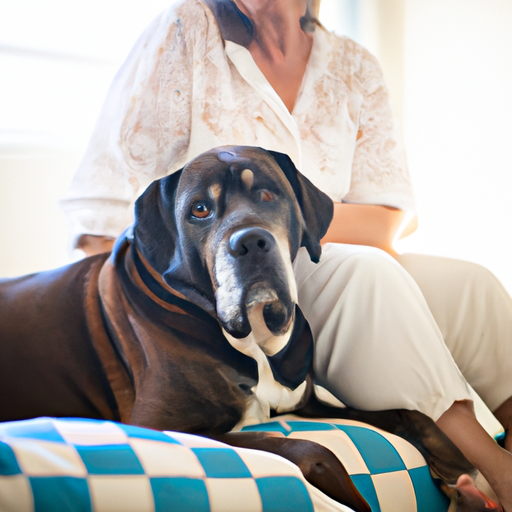
Early socialization is not about overwhelming your puppy with everything at once. It is about creating many small, safe, positive experiences while your puppy is still forming expectations about the world.

What “good socialization” actually means
A well-socialized puppy does not need to love every person, dog, or environment. The real goal is teaching your puppy that new things are manageable, predictable, and not automatically scary.
In the first 30 days, introduce your puppy to:
- Different ages, body types, hats, coats, and walking styles
- Household sounds such as vacuums, blenders, doorbells, and traffic
- Safe surfaces like tile, grass, gravel, wood floors, and doormats
- Gentle handling of paws, ears, collar area, and mouth
- Short car rides and calm visits outside the home
Use the “notice, treat, move on” method
When your puppy notices something new, mark the moment with calm praise and give a treat. You are teaching that unfamiliar sights and sounds predict something good. Keep sessions short and end before your puppy becomes tired or overstimulated.
Choose puppy meetings carefully
One rude interaction can do more damage than several calm ones can repair. Prioritize vaccinated, stable adult dogs or well-managed puppy groups over chaotic dog-park energy.
Build confidence at home too
Confidence grows through simple routines: short alone-time practice, handling exercises, name games, recall games, and reward-based training. Socialization is not only about going places. It is also about making everyday life feel safe.
Signs your puppy needs a slower pace
- Refusing treats in a new setting
- Trying to flee or hide repeatedly
- Hard staring, cowering, trembling, or nonstop barking
- Taking a long time to recover after the trigger is gone
These signs mean the exposure is too hard right now. Increase distance, shorten the session, and return to easier wins.
Pair this with a house-training routine
Confident puppies still need structure. A simple potty routine helps reduce stress for both the puppy and the owner.
Updated next-step guides for puppy households
If you want the routine to feel easier in a real home, pair the lesson with one practical support guide instead of reading random puppy advice in isolation.
- Best Dog Crate for Puppy Training for cleaner rest and management routines.
- Best Dog Camera for Separation Anxiety if you need better data on what happens when the puppy is alone.
- Browse the blog if you want the newer dog-care and cleanup guides in one place.
Bottom line
The best puppy socialization plan is gentle, structured, and repeatable. Aim for many calm, positive exposures rather than one big “socialization day.” That is how you build a dog that can handle real life with less stress.
Set up the home environment for calmer puppy progress
Socialization goes better when the puppy’s daily routine and home-alone setup are not working against you.
Best dog crate for puppy trainingBest dog camera for separation anxiety
